Paid in Sardines: The Forgotten Animal Workforce of the British Postal Service
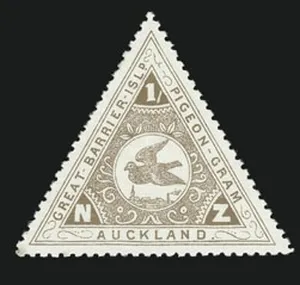
Photo: Great Barrier Pigeongram Agency, Public domain, via Wikimedia Commons
Every morning, thousands of postal workers begin their rounds across Britain. But cast your mind back a century or two, and the workforce looked rather different — furrier, featherier, and in at least one documented case, officially salaried.
The story of animals in Britain's postal service is one of the great overlooked chapters of our national history, and once you start digging, it's genuinely remarkable.
Pigeons of War and Post
Long before vans and postcodes, the pigeon was the fastest thing in the post. Carrier pigeons were used to carry messages across Europe as far back as the Roman era, and by the 19th century, the technique had been refined into something approaching an art form.
The birds' finest hour came during wartime. In both World Wars, pigeons carried messages from the front lines when wires were down and radios were useless. Some 32 pigeons were awarded the Dickin Medal — the animal equivalent of the Victoria Cross — for service during the Second World War, many of them flying messages that saved lives.
One bird, a homing pigeon named Commando, completed dozens of missions into occupied France carrying intelligence to Britain. Another, named Gustav, flew through gale-force winds to deliver the first news of the D-Day landings back to England. When you next complain about a first-class letter arriving late, spare a thought for the birds delivering war reports through a force nine.
Postal heritage enthusiasts note that pigeon post wasn't merely a wartime curiosity — remote island communities and rural routes relied on the birds well into the 20th century, when geography made conventional delivery impractical.
The Salaried Station Cats
Now for the detail that made us fall off our chairs: cats on the payroll.
Railway stations and postal sorting offices across Britain have long kept cats as unofficial pest controllers — unofficial until, in several celebrated cases, they became extremely official indeed. Station cats were known to be listed in staff records, and some famously received wages, typically in the form of food and lodging rather than cash (though legends of cats receiving actual payments persist, and honestly, we choose to believe them).
The tradition lives on: the most famous postal cat in recent memory was Blackie, resident of the Home Office — but the sorting offices and mail depots of Britain had their own whiskered workforce, keeping mice from the sacks for generations. These weren't pets; they were colleagues. Cats who caught mice earned their keep and their reputations; cats who didn't were, by all accounts, given the same gentle tolerance we extend to any coworker who naps through meetings.
Horses, Dogs, and the Long Road North
Before the motorbike and the red van, the post travelled on hooves. Mail coaches — the famous, horn-blaring kind that thundered along turnpike roads — were pulled by teams of horses, changed at staging posts with military precision. At the height of the coach era, an intricate national network of inns and stables existed almost entirely to keep the mail moving. Britain's postal horses arguably did more to connect the country than any single human employee.
Dogs, too, pulled their weight — literally. In parts of continental Europe, dog-drawn mail carts were a genuine phenomenon, and while Britain largely stuck with horses and feet, the idea of a spaniel hauling your parcel from Carlisle captures something of the era's improvisational spirit.
Why It Matters
"These stories aren't just charming anecdotes," as one postal heritage volunteer put it to us. "They're a record of how the country communicated — and the animals were genuine partners in that. A pigeon that saved lives, a cat that kept the mail sacks safe: these were working animals with real jobs and, in their way, real legacies."
The Postal Museum in London holds archives, photographs and artefacts from this era, and it remains one of our favourite recommendations for a day out that sounds boring and is absolutely not. Where else can you ride the underground Mail Rail and then read about decorated pigeons?
A Toast to the Old Guard
So next time the door goes and a slightly damp envelope hits the mat, remember: the animal kingdom has been in the delivery business for centuries. The pigeons flew through wars. The cats clocked in. The horses ran the roads.
Your cat, meanwhile, is currently sitting on the water bill.
Different era. Different standards. But the family resemblance is unmistakable.