Lights Out, Paws Up: The Unofficial League Table of Britain's Sleeping Pets
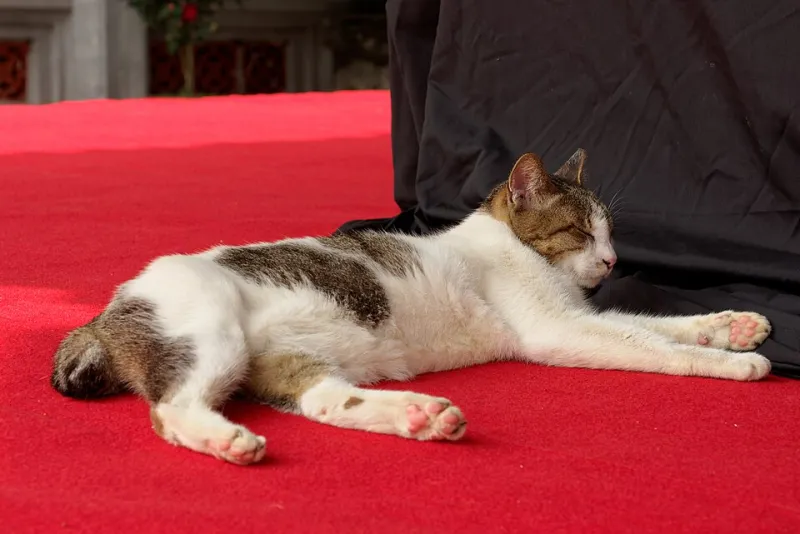
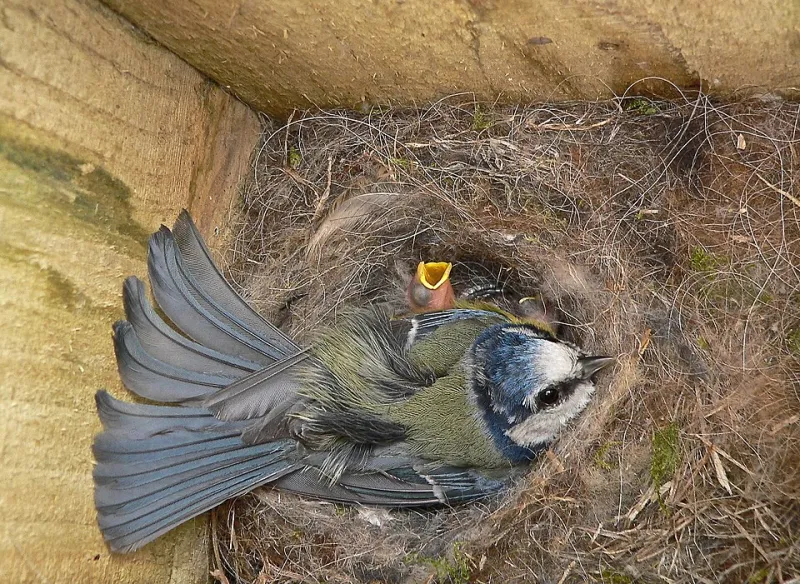
Photo: Jakub Hałun, CC BY 4.0, via Wikimedia Commons
Every pet owner in Britain knows the drill. You go to bed at a reasonable hour. Your pet does not. Your pet has been napping on and off since roughly 11am, had a full energy reboot at 3am, and will now spend the night conducting a one-animal patrol of the landing while you lie awake listening to the sound of a cat knocking a hair elastic off the bedside table. Again.
But who among our animal companions is actually sleeping well — and who's simply gaming the system, logging more hours in bed than a hibernating hedgehog while contributing nothing to the household? We investigated.
The Radiator Oligarchy
Let's start with cats, because cats would insist we did. According to feline behaviourists, the average domestic cat clocks between 12 and 16 hours of sleep a day, with kittens and elderly cats pushing towards 20. That's not laziness, we're assured — it's biology. Cats are crepuscular, meaning they're most active at dawn and dusk, which explains both the 5am wake-up yowl and the fact that your cat views midday as strictly duvet time.
What cats have also done, with remarkable efficiency, is map every warm surface in the British home. The radiator. The boiler cupboard. The laptop charger. The freshly laundered towels you were, foolishly, planning to put away. Reader Sarah from Leeds wrote in to tell us her tabby, Biscuit, has learned the exact time the central heating kicks on and positions himself by the kitchen radiator at 6.15am sharp, "like he's waiting for a train he personally commissioned."
This is not unusual. Behaviourists say cats will rotate through a hierarchy of sleeping spots based on temperature, security and, crucially, how annoyed it makes you. The warm laundry basket isn't warm laundry. It's a power move.
Dogs: The Syncopated Sleepers
Dogs, by contrast, have taken a different approach: total temporal surrender. Rather than maintaining their own schedule, most pet dogs simply adopt their owner's sleep pattern, then pad it out with daytime naps to reach their required 12–14 hours. Your dog isn't going to bed when you do. Your dog has decided that whatever you do is what dogs do.
Vets say this is why dogs are such excellent barometers of household routine. Shift worker? Your dog now sleeps through noise that would wake the dead. New baby in the house? Expect your dog to be up at all hours, deeply confused, but loyal to the cause.
The exception, of course, is the dog who has claimed the bed itself. And here we must name names.
The Duvet Hall of Shame
Based on a deeply unscientific poll of Animail readers and one exasperated vet we spoke to in a Waitrose car park, the breeds most likely to hog your mattress are:
- Greyhounds — despite their athletic reputation, they sleep up to 18 hours a day and have mastered the art of taking up an entire double bed while appearing to be a small, folded towel.
- Labradors — they don't hog the bed so much as annex it, with the quiet confidence of a nation expanding its borders.
- Cocker Spaniels — will start the night at the foot of the bed and end it with a paw on your face, having somehow rotated 180 degrees.
- Great Danes — technically the dog is in the bed. So are you. Barely.
- Cats (all of them) — an honorary entry, because no duvet in Britain is truly owned by a human.
The Sleep Entitlement Rating
Wondering where your pet sits on the national spectrum? Score one point for each "yes":
- Does your pet have a designated bed it has never used?
- Has your pet ever displaced you from your own pillow?
- Does your pet nap more hours per day than you work?
- Have you rearranged furniture around where your pet likes to sleep?
- Does your pet wake you at dawn for reasons it refuses to explain?
0–1: A model citizen. Suspiciously well-behaved. 2–3: A comfortable grifter, working the system with charm. 4–5: Congratulations — you are staff. Your pet is getting a full eight hours, plus overtime, plus a pension paid in treats.
Should We Be Worried?
Mostly, no. Vets stress that changes in sleep patterns are worth monitoring — a dog suddenly pacing at night or a cat sleeping far more than usual can signal pain or illness — but the general picture is a nation of pets sleeping extremely well, thank you for asking, preferably on something warm and preferably on top of you.
Which, when you think about it, might be the whole point. They sleep well because we let them. We built the radiators. We bought the orthopaedic memory foam bed. We surrendered the duvet without a fight.
Britain's pets aren't gaming the system. They ARE the system. And honestly? Most of us wouldn't have it any other way.
Got a shameless sleeper in your household? Write in with your pet's Sleep Entitlement Rating — the most egregious cases will be featured in a future edition.