Decibels of the Realm: We Rank Britain's Loudest Animal Postcodes
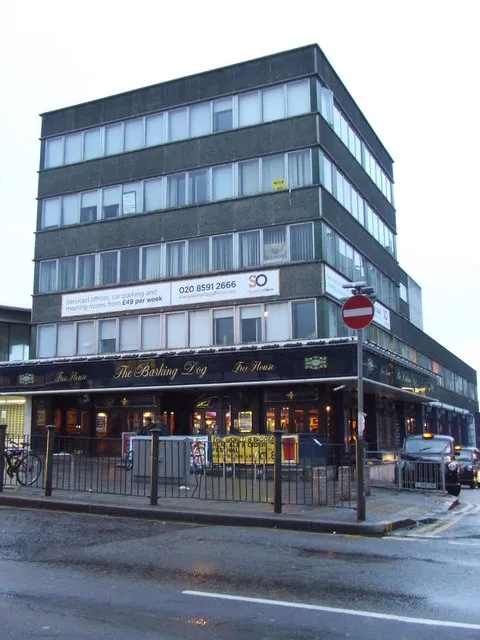
Photo: Malc McDonald , CC BY-SA 2.0, via Wikimedia Commons
Every council in Britain keeps a log. Buried in the spreadsheets of environmental health departments, between the 3am house parties and the faulty car alarms, sits a quieter (or rather, louder) truth: the animal complaints. The cockerels crowing at 4:47am. The dogs who bark at every passing pigeon. The parrot who has, apparently, learned to imitate a smoke alarm.
We filed Freedom of Information requests to dozens of councils, asked readers to send in their own confessions, and assembled what we're calling the Bark-ometer: an unofficial, entirely unscientific, but deeply felt league table of Britain's noisiest animal hotspots.
The League Table Nobody Asked For
Before we begin, a disclaimer: councils record complaints differently, some refused to release data at all, and one authority in the Home Counties replied simply with "we do not hold this information," which frankly feels like a dodge. But from the responses we did receive, a pattern emerged.
Honourable mentions:
- Peckham, London — Multiple complaints about a resident parrot whose repertoire reportedly includes both a car alarm and the phrase "mind the door." The council has logged it. The parrot remains unrepentant.
- Coventry — A cockerel kept in an allotment-adjacent garden generated 14 separate complaints in a single summer. The bird, named Nigel by locals, has become a minor cause célèbre.
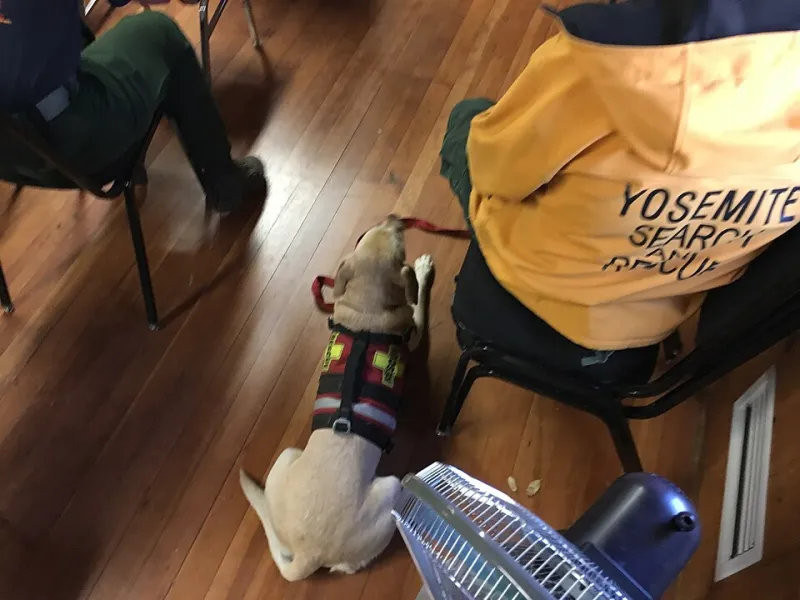
- Glasgow's Southside — Terriers. Just, so many terriers. One complaint described a dog that "barks at the bin lorry, the postman, and conceptually, the wind."
- A village in the Highlands we've agreed not to name — A single sheep, separated from its flock, bleated loudly enough to generate three formal complaints over one weekend. The sheep was reunited. Peace returned.
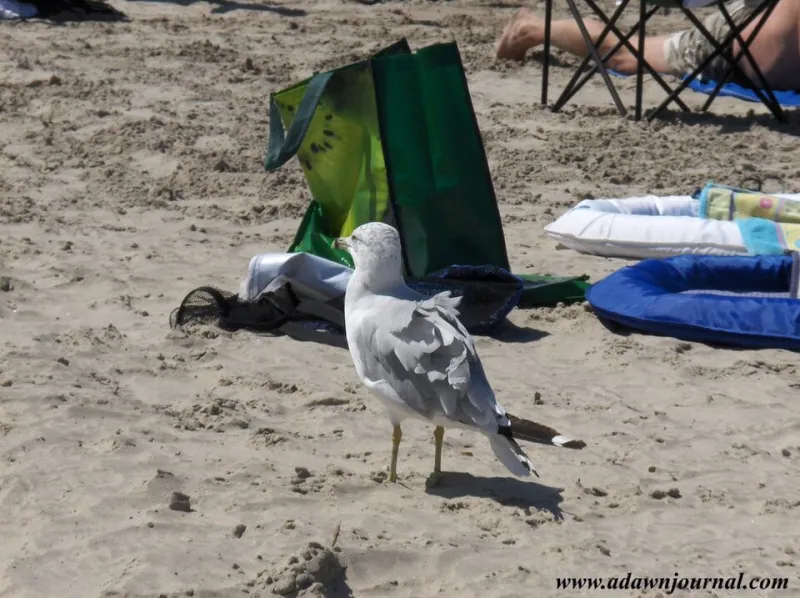
- Brighton — Seagulls, obviously, though technically councils note that gulls are "wild birds and not subject to noise nuisance legislation," which the gulls presumably know and exploit.
What Actually Gets a Council to Act
Here's the genuinely useful bit. We spoke to an environmental health officer (who asked not to be named, but did confirm she once spent a week logging the barking habits of a Lurcher named Bruce) about what turns a complaint into action.
"It's not volume, it's pattern," she told us. "A dog that barks for ten minutes when the post arrives is life. A dog left alone all day, barking in cycles — that's what gets investigated."
Her tips, roughly translated:
- Keep a diary. Councils love a noise diary. Dates, times, duration. It sounds bureaucratic because it is.
- Talk to your neighbour first. Roughly half of complaints are resolved before any paperwork happens, usually because the owner genuinely didn't know.
- Evidence beats exaggeration. Recording apps help, but "it barks constantly" will get you nowhere. "It barks between 9am and 4pm on weekdays" gets a visit.
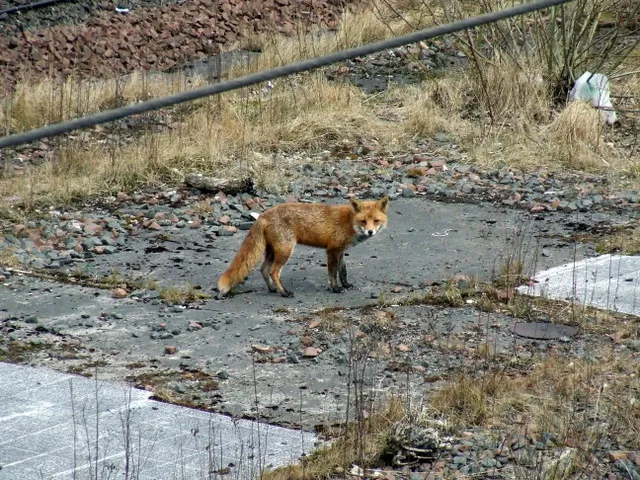
- Wildlife is mostly exempt. Gulls, foxes and hedgehogs having a row at 2am are, legally speaking, nature. You must simply endure it, as our ancestors did.
Confess Your Own Loudmouth
And now, the part our readers have been waiting for: the official Animail Bark-ometer form. Is your pet a local legend? Has your parrot been formally complained about? Does your dog have a nemesis (the postman, a specific cat, the neighbour's inflatable snowman)?
Tell us. We'll be compiling reader submissions into a follow-up piece — the People's Bark-ometer — and the loudest, most dramatic and most absurd entries will feature in full, with names changed to protect the guilty.
Because here at Animail, we believe every noisy animal deserves recognition. Preferably from three streets away, with the window shut.
Submit your confessions via the form below. Sincere apologies to Nigel the cockerel and everyone who has met him.