Ticket to Ride, Tongue Out: A Survival Guide for Dogs on British Trains
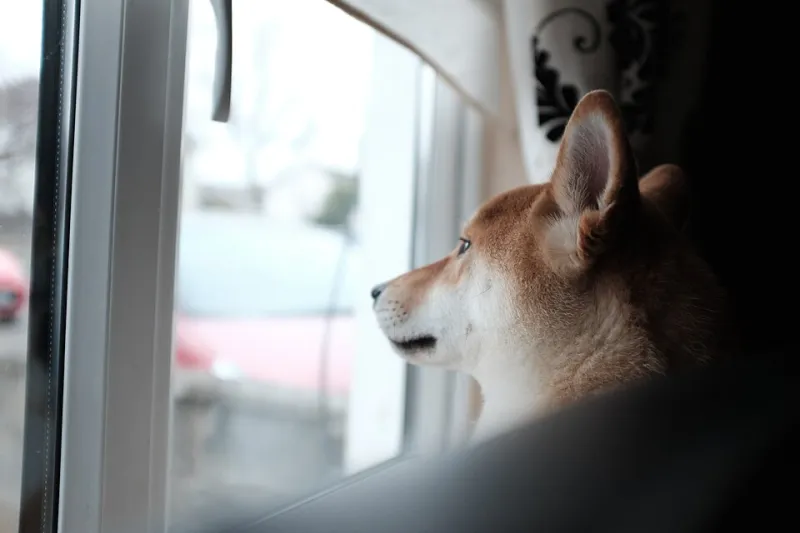
Photo: Picography, CC0, via Wikimedia Commons
Britain's railways have carried dogs since the 1800s, when stationmasters kept ledger books full of canine passengers travelling in luggage vans. Some things have improved — the dogs no longer ride with the post — but the etiquette remains entirely unwritten, and everyone's copy is slightly different.
A Brief History of Dogs on the Rails
The Victorians formalised it early: dogs travelled cheaply or free, often in special compartments. Railway companies of the era even advertised the service. Fast-forward 150 years and the principle survives — under National Rail conditions of travel, up to two dogs per passenger ride free of charge — but the practical reality varies wildly from operator to operator.
The Rulebook Roulette
Here's where it gets murky. On some operators, your dog boards without a second glance. On others, staff may ask questions if the carriage is packed or your companion is the size of a small pony. Assistance dogs, of course, travel everywhere, always, no exceptions — and rightly so.
The inconsistencies are a source of endless commuter debate. Regulars report wildly different experiences on the same route depending on the guard on duty. The general advice from seasoned railway dogs (and their humans): travel off-peak, keep your dog on a short lead, bring a blanket for the seat if you're feeling courteous, and always, always carry poo bags like they're travel documents.
The Unwritten Rules
Ask ten commuter dog owners and you'll get a consensus of sorts:
- Avoid rush hour. A Labrador at 8:15am on a busy service is a diplomatic incident waiting to happen.
- The aisle is not a bed. Legs under seats, tail away from tea.
- Offer the seat, don't assume. Some passengers will love your dog. Some are allergic. Read the carriage.
- Nervous dogs and busy trains don't mix. Know your animal before you commit to a four-hour leg.
- The sniffing greeting is not for everyone. A short lead solves most sins.
Rail staff, mostly, are dog people. Several we spoke to said canine passengers brighten their shift — the trouble comes when owners treat the train as an off-lead park.
Britain's Best Dog-Friendly Journeys
If you're going to ride, ride somewhere worth it:
- The Esk Valley Line, North Yorkshire — Middlesbrough to Whitby through moor and dale; the end-of-line beach is the payoff.
- The West Highland Line, Scotland — Glenfinnan viaduct and all; dogs ride free and the views are frankly wasted on humans alone.
- The St Ives Bay Line, Cornwall — a ten-minute branch line hop from St Erth to sea, sand and a chippy that reportedly does a decent dog-waiting service.
- The Heart of Wales Line — four unhurried hours of rural quiet, ideal for the elderly greyhound in your life.
The Verdict
Dogs have been paying nothing and riding everywhere for over a century, which arguably makes them Britain's most successful fare dodgers. Follow the unwritten rules, pick your route wisely, and the railway remains one of the great free days out for the nation's dogs. Just mind the gap — and the tail.